White Like Me

Writing for me had always been a release. But every time I tried to write about my experiences as a Black man, the same thing happened: I doubted myself, and wondered if I was Black enough to write about the Black experience.
The Parasitism of Memory in Burnt Sugar

Avni Doshi’s Booker shortlisted 2019 novel wonders if, since our minds can distort our memories into unrecognizable things and still have us believe them as truth, it is apt to say they overtake us, a sort of parasitic recall designed to humor us through our lives.
Decoding the Silences in Corregidora
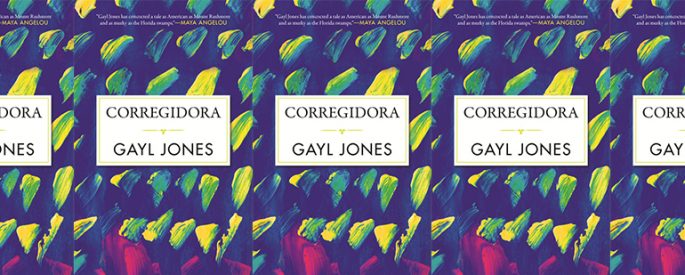
Gayl Jones’s 1975 book positions language as an apparatus of control and power, a weapon used to continue cycles of oppression. It contends that silence—both literal and metaphorical—can create a future untainted by the past.
Betrayal in Rainbow Rainbow
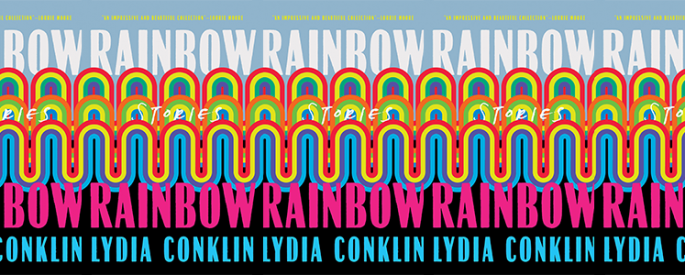
In their debut short story collection, Lydia Conklin examines what it’s like to inhabit a body and/or sexuality that is inherently uncomfortable—not because of one’s certainty about their identity but because of how others reject or suppress it.
Language and Trauma in On Earth We’re Briefly Gorgeous

Little Dog, the narrator of Ocean Vuong’s debut novel, learns to be strategic in his use of language as a means of self-preservation.
Heather Christle’s Portrait of Crying

Heather Christle’s 2019 book is a beautiful study of one of humanity’s most universal experiences, its fragments acting as tear drops that, when collected, turn it into one very good, very emotional cry.
A Woman’s Conviction in A Midsummer Night’s Dream and 500 Days of Summer

Summer, Helena, and Hermia hold fast to their own definitions of love, even in the face of men who refuse and ignore them.
Sentinels of Grief in The Friend
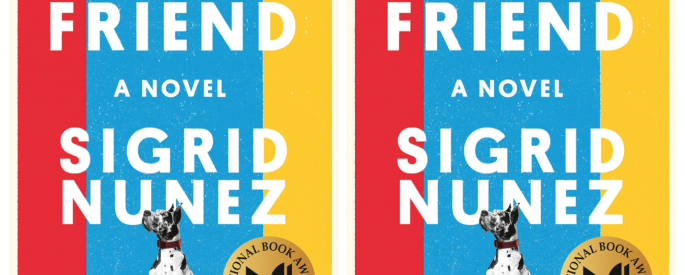
The Great Dane in Sigrid Nunez’s acclaimed novel embodies grief itself—a presence that comes uninvited, demands attention, disrupts routine, behaves inscrutably, and holds the power of ferocity and tenderness at once.
The Pursuit of Love’s Rejection of Romance

Nancy Mitford’s tragicomic novel demonstrates the unglamorous acts of love that come from sustained, tested friendships, and it’s from these relationships that the book mines much of its celebrated humor and its overlooked, but just as important, compassion.
Dreadful Sorry’s Exploration of American Nostalgia
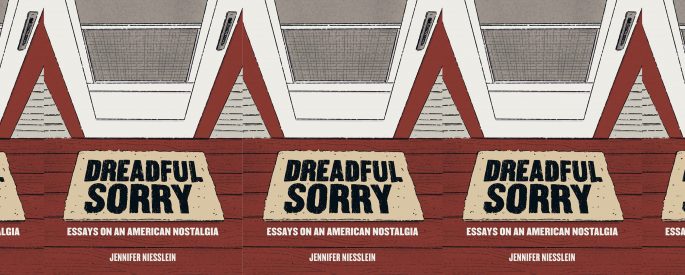
Dispelling the haze of American nostalgia matters, and Jennifer Niesslein shows how it can be done, particularly by those of us who are white—and that, after it is stripped of sentimentality, nostalgia can be a force that drives us to make a beloved place better.